
New Jersey's older homes — the pre-war colonials, the Victorians, the sturdy 1950s capes — were built with the best materials of their day. Their day was a long time ago. None of this should scare a buyer away; all of it should inform the offer, the inspection, and the first five years of ownership. Here's the honest tour.
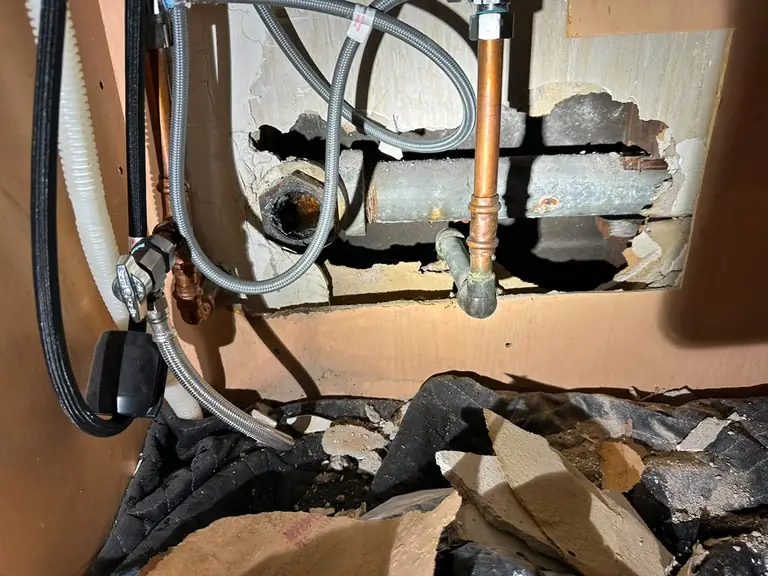
Galvanized steel supply pipes (pre-1960s)
Galvanized pipe corrodes from the inside, closing itself off with rust over decades. Symptoms: weak flow that worsens when a second fixture opens, brown water after vacations, and pinhole leaks at threads. Identification: gray metal pipe, threaded fittings, a magnet sticks to it. Reality check: one galvanized failure predicts more, because the corrosion is systemic. Budget mentally for staged replacement (PEX or copper), starting with the runs that fail first — horizontal lines and hot-water branches.
Cast-iron drain stacks and clay laterals
Cast-iron drains are quiet and sturdy but corrode from within — channel rot along the pipe bottom eventually cracks or perforates, usually discovered via a ceiling stain or a smell. Tap test: healthy cast iron rings; failing sections thud. Underground, clay laterals with joints every few feet invite roots at each one. The buyer's move: a sewer camera inspection before closing, and a flashlight inspection of every visible cast-iron run. Neither material is an automatic replacement — condition, not age alone, decides.
The fixtures and valves of another era
Original shutoff valves that haven't turned in 40 years frequently won't — or won't seal when they do. Assume every old valve is decorative until proven functional, and know the main shutoff's location and condition on day one; replacing a seized main shutoff is the first job in many older homes. Elsewhere: original steel or lead closet bends under toilets, dielectric corrosion where old metals meet newer copper, and vintage traps (drum traps in older tubs) that no modern snake navigates happily.
What deserves money first
Priority one: anything active — leaks, failing water heater, seized main shutoff. Priority two: the sewer lateral verdict from your camera inspection, because it's the biggest single number on the list. Priority three: staged supply replacement if galvanized, worst runs first. What can usually wait: cosmetic fixture upgrades, and sound cast iron that passed inspection. An older home's plumbing rewards owners who diagnose before renovating — never tile over a bathroom whose drain lines haven't been assessed.
Lumin Drain NJ inspects, documents, and modernizes older-home plumbing across New Jersey — camera inspections for buyers, staged repipe plans for owners: 929-662-1816.