
Water in the yard obeys one law: it goes where gravity and the path of least resistance send it — and in too many New Jersey yards, that path ends at the foundation. Outdoor drainage fixes range from a Saturday's regrading to engineered systems, and matching the fix to the actual water problem is the whole game. Here's the honest menu.
Start with the free physics: grading and gutters
Before any system gets buried, check the basics that cause most problems: soil should slope away from the foundation (roughly an inch per foot for the first several feet — decades of mulching and settling commonly reverse this), and downspouts should discharge well away from the house, not at its base. Downspout extensions and splash blocks are the highest-return drainage purchase in existence; a single downspout dumps a startling volume beside your foundation in a storm. Fix grading and discharge first — a surprising share of 'we need a French drain' calls end here.
Surface collection: swales, catch basins, and channel drains
When water crosses your property or pools on hardscape, collect it at the surface: a swale (a shallow graded channel, often the invisible fix for cross-lot flow), catch basins at low points that pipe water to a discharge, and channel drains across driveways that intercept sheet flow before the garage. These systems live or die by their outlet — collected water must go somewhere legal and downhill: daylight at a lower grade, a storm connection where permitted, or a dry well. Sizing the pipe and planning the outlet is where experience pays.
Subsurface: the French drain, properly understood
A French drain — perforated pipe in a gravel-wrapped trench, ideally with filter fabric — collects groundwater moving through soil and gives it an easier path than your basement. It excels at intercepting subsurface flow (a hillside pushing water at the house, a chronically saturated lawn) and as foundation perimeter drainage. Its honest limits: it does nothing about surface-water problems that grading solves cheaper, it clogs over years without fabric done right, and it still needs that legal, downhill outlet. Beware one-product contractors who prescribe French drains for every symptom.
The basement connection, and the buried lines you already own
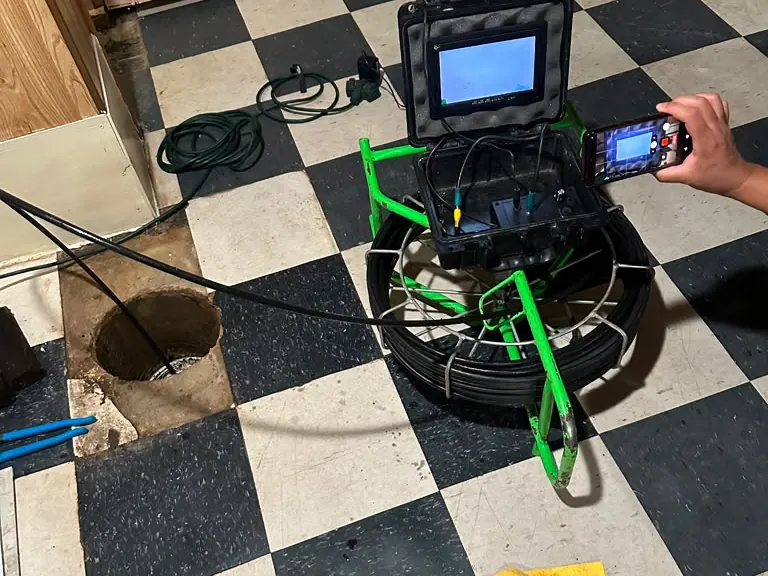
Chronic yard water becomes hydrostatic pressure against the foundation — the source of most 'waterproofing' problems, better solved in the yard than fought in the basement. And don't forget the drainage you already own: buried downspout lines and yard drains silt shut over decades, turning functioning systems into decorative grates; jetting restores them for far less than new construction. Lumin Drain NJ jets and camera-inspects buried drainage lines and solves the yard-to-basement water path across New Jersey: 929-662-1816.