
Nothing undermines a spotless kitchen like an odor rising from the floor — and health inspectors notice smells before they notice anything else. Restaurant floor drains have a specific hierarchy of odor causes, and the difference between masking and fixing them shows up in both the dining room and the inspection report.
Cause 1: dry traps (the daily suspect)
Floor drains near equipment that rarely discharges — or in areas mopped less wet than they once were — lose their trap seal to evaporation, opening a direct sewer-gas path. Kitchen heat accelerates it dramatically; a trap can dry in under a week near cooking lines. The immediate fix is pouring water; the permanent fix is a trap primer (a device that automatically feeds the trap) or, minimally, a written daily task: a pitcher of water in every floor drain at close. Trap seal liquids that slow evaporation help drains that see genuinely little use.
Cause 2: biofilm and the drain body itself
Kitchen floor drains collect a fed-daily biofilm — grease, food particles, mop water organics — coating the strainer, drain body, and upper pipe. This colony smells even with a healthy trap. The fix is physical: pull the strainer, scrub the drain body, and follow with enzyme treatment on a weekly schedule. Enzymes genuinely earn their keep in commercial floor drains, digesting the film between cleanings — but they supplement scrubbing, not replace it. Bleach gives a shorter-lived result and shouldn't meet enzyme products.
Cause 3: the lines below
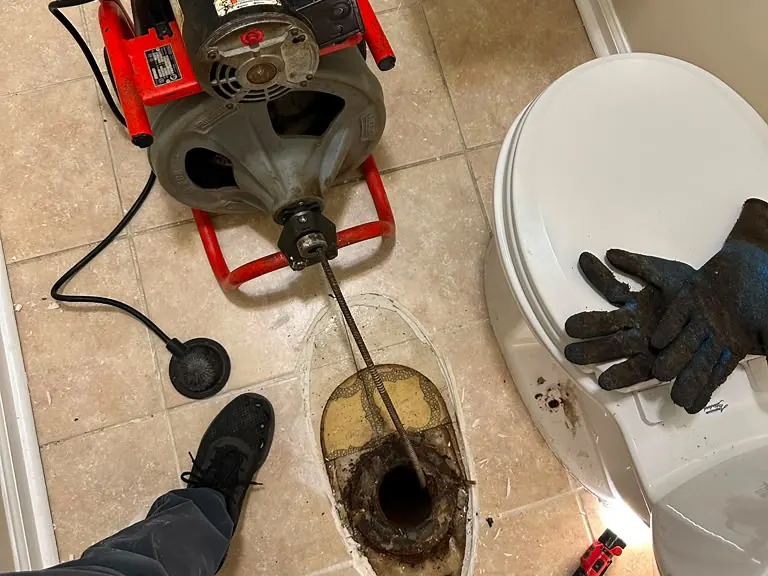
Odor from multiple drains, or odor that returns within a day of cleaning, points below the floor: grease-lined branch lines feeding the drains, a compromised trap on one drain, a missing cleanout plug inside a drain basin (lets gas bypass the trap entirely — common and overlooked), or venting problems pulling traps dry. This tier justifies professional attention: jetting the floor-drain lines, smoke testing to find the gas path, and camera inspection where lines have history. Persistent odor is evidence of a condition, not a cleaning lapse.
The inspection-ready routine
Daily: water into low-use drains at close. Weekly: strainers pulled and drain bodies scrubbed; enzyme dose after. Quarterly: assess whether any drain needs its line jetted (slow drainage is the tell). Annually or per history: jet the floor-drain branch lines before they force the issue. Documentation of the routine reads well in inspections and better in any dispute. Lumin Drain NJ services restaurant floor drains and kitchen lines across New Jersey — after hours, with maintenance scheduling: 929-662-1816.